Easy Crochet Socks: Free Pattern with Step-by-Step Guide
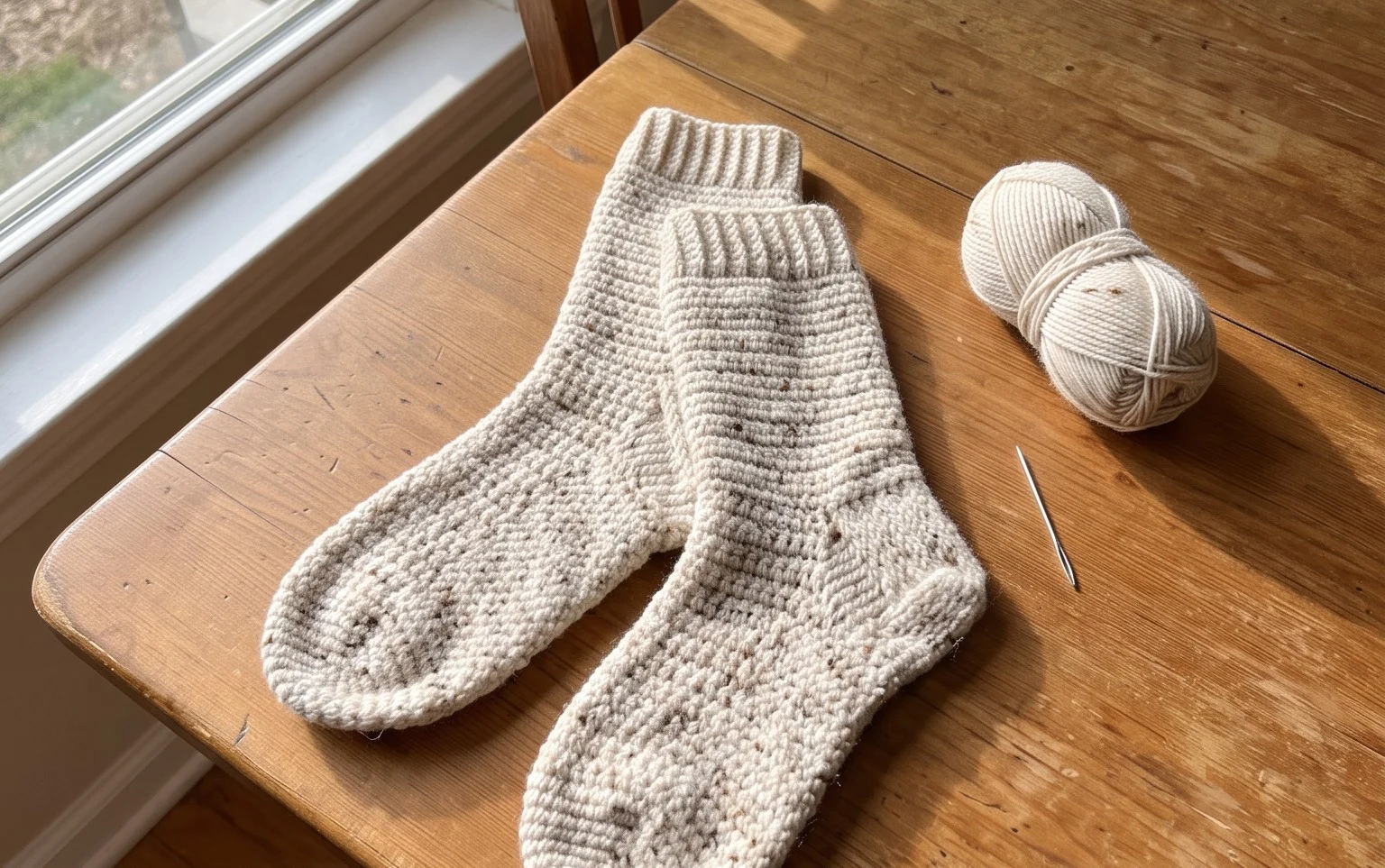
Handmade wool socks hug the feet with a dense, custom fit that store-bought versions simply lack. You will find that these socks feel substantial and warm during chilly evenings, making them a grounding project to work on when you have a few quiet hours. They are suited for anyone ready to move beyond basic squares, as the construction relies on turning short rows and simple heel gussets. Learning to shape the heel provides a real sense of accomplishment, turning yarn into a structured garment. You will discover how to track your stitch counts and adjust the length for a truly comfortable fit.
Why You’ll Love This Pattern
The Classic Crochet Dishcloth is a functional staple that relies on a simple, rhythmic stitch pattern, making it ideal for those who enjoy meditative crafting. You will love how quickly these work up, often requiring less than an hour of focused time to complete. Because they use a small amount of cotton yarn, they are an excellent way to clear out your scrap bins. The texture created by the moss stitch provides just enough scrubbiness to handle kitchen tasks effectively while remaining soft enough for everyday use. You can easily adjust the dimensions by changing your starting chain length, allowing you to create anything from small face scrubbies to oversized cleaning cloths.
I managed to finish three of these in one afternoon while watching a movie. The texture is much better than store-bought alternatives and they wash perfectly in the machine.
— Sarah, home crafter
Pattern Overview & Skill Level
- Skill Level: Beginner
- Approximate Time: 45–60 minutes per cloth
- Construction: Worked in flat rows using the moss stitch (also known as linen stitch)
- Finished Dimensions: Approximately 8 inches by 8 inches
Materials & Supplies Needed
- Yarn: Worsted weight (#4) 100% cotton yarn, approximately 45 yards per cloth. Cotton is essential for absorbency and heat resistance.
- Hook Size: 5.0 mm (H-8) crochet hook.
- Notions: Tapestry needle for weaving in ends and scissors.
- Yarn Substitutions: You may use a cotton-linen blend for increased durability, though this may result in a slightly stiffer fabric. Avoid acrylic yarns, as they are not absorbent and will melt if used on hot surfaces.
Stitch Guide & Abbreviations (US Terms)
- ch = chain
- st = stitch
- sc = single crochet
- sk = skip
- moss stitch = a pattern consisting of [sc, ch 1, skip 1] repeated across the row.
Step-by-Step Pattern Instructions
Main Dishcloth Body
Foundation: Ch 32.
- Row 1: Sc in 4th ch from hook, *ch 1, sk 1 ch, sc in next ch; repeat from * across. Turn. (15 sc, 15 ch-1 spaces)
- Row 2: Ch 2, sc in first ch-1 space, *ch 1, sk next sc, sc in next ch-1 space; repeat from * ending with sc in the turning chain space. Turn. (16 sc, 15 ch-1 spaces)
- Rows 3–30: Repeat Row 2 until the piece reaches a square shape.
Finishing
Once you reach the desired length, fasten off the yarn, leaving a 6-inch tail. Use your tapestry needle to weave the end back and forth through the stitches on the back side of the cloth. Trim any excess yarn closely to the fabric surface.
Care & Washing Instructions
- Machine wash in warm water on a gentle cycle to preserve the integrity of the cotton fibers.
- Lay the dishcloth flat on a clean towel to air dry, ensuring it stays in a square shape.
- Reshape the cloth while damp if it appears slightly skewed from the wash.
Pro Tips & Common Mistakes to Avoid
Consistent tension is the most important factor in keeping your edges straight; if your chains are too tight, the fabric will curl inward. Always count your stitches at the end of each row to ensure you have not accidentally added or dropped a stitch at the turn, as this will result in a trapezoid shape rather than a square. If you find your edges look uneven, try using a slightly larger hook for your starting chain to prevent the foundation from pulling tightly. To adjust the size, simply add or subtract chains in multiples of two to your foundation row, which will increase or decrease the width accordingly.
Frequently Asked Questions
Can I use a different yarn weight for this pattern?
Yes, you can use a DK or bulky weight yarn, but you will need to adjust your starting chain count and the number of rows to reach your desired finished size. A different weight will also change the density of the scrubby texture.
Is this project suitable for a complete beginner?
Absolutely, as it only requires the single crochet stitch and chaining. It is a perfect way to practice maintaining even tension without the complexity of working in rounds.
How do I prevent my dishcloth from becoming stiff?
Stiffness is usually caused by using a hook that is too small for the yarn weight or working with very tight tension. If your cloth feels rigid, try going up one hook size.
Can I sell finished items made from this pattern?
You are welcome to sell physical items made from this design. Please credit the pattern designer in your product listings, but do not distribute or sell the written pattern itself.
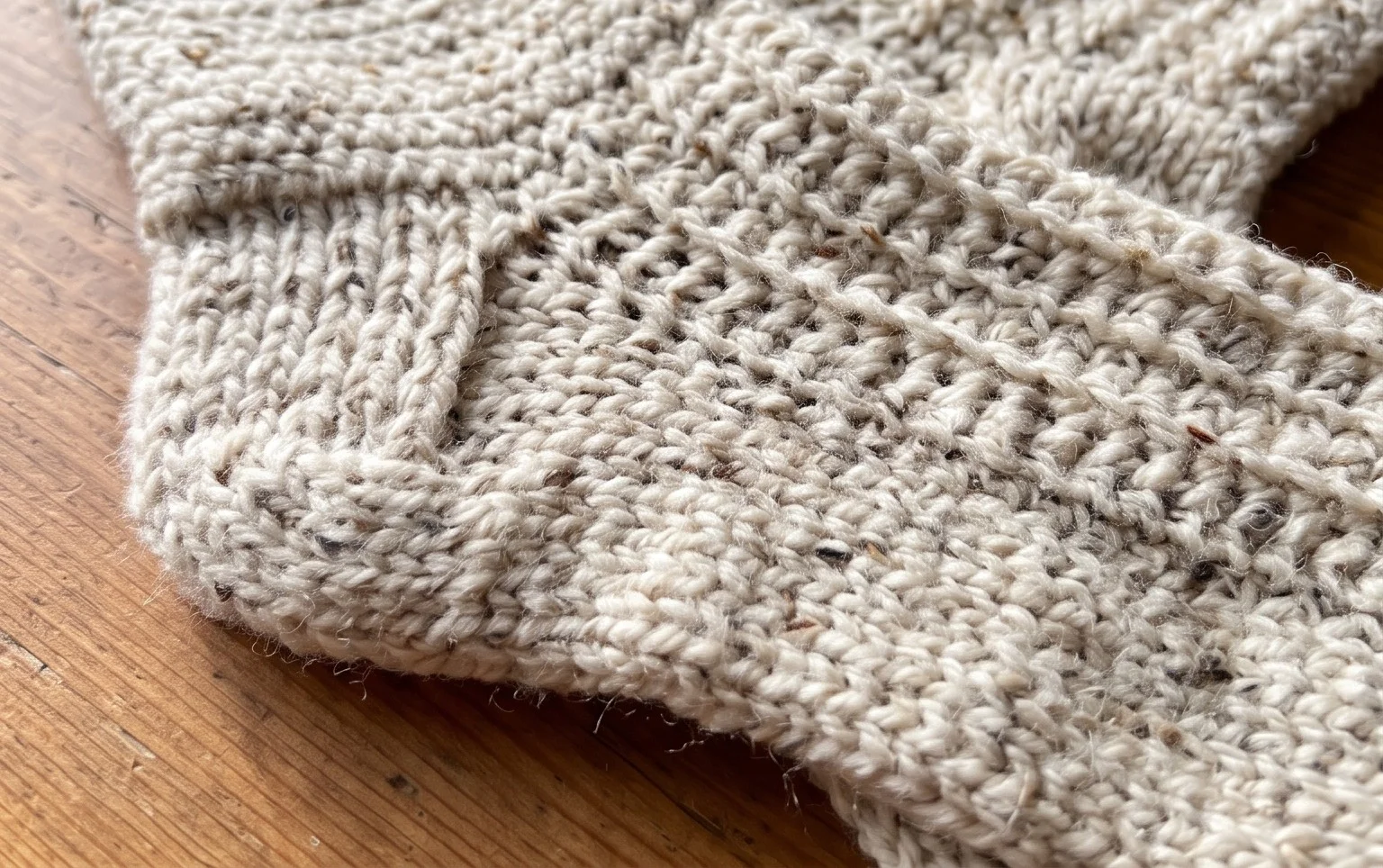
Finishing your first pair of handmade socks feels like a true achievement because you have created something both beautiful and functional for your own wardrobe. Try using a variegated wool blend if you want to highlight the stitch definition without needing to carry multiple strands of color. If you are proud of how your heel turn shaped up, consider posting a photo of your finished work on Instagram to share your progress. You can find more beginner-friendly garment instructions on the blog if you feel inspired to keep your hook moving.