Easy Crochet Infinity Scarf: Free Beginner Pattern
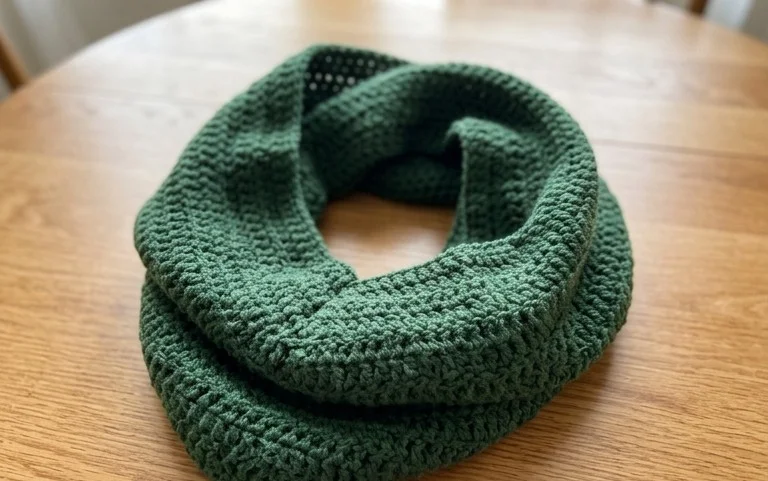
Soft wool loops around your neck on a cold morning, shielding you from the biting wind with its dense and squishy texture. This project is a simple way to create a timeless winter staple that feels like a warm hug during chilly outdoor walks. Beginners find this scarf approachable because it relies on basic chain work and repeated rows rather than complicated counting. You will learn how to join your work seamlessly to form a continuous circle that drapes beautifully without any bulk. Crafting this piece provides a quiet moment of focus before you head out into the snow.
Why Crocheters Love It
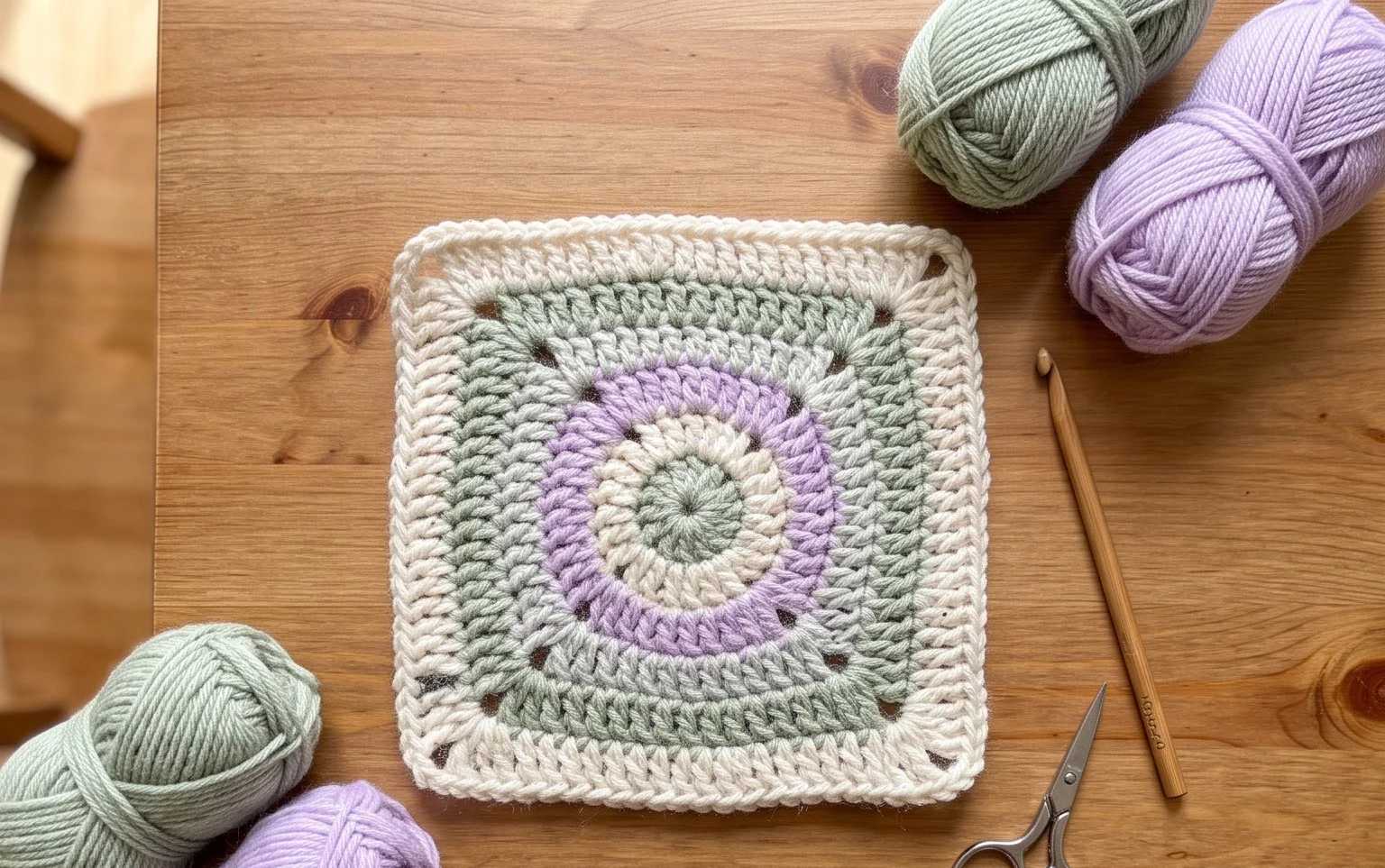
The Classic Granny Square Dishcloth is a foundational project that relies on the simple, meditative rhythm of double crochet clusters. It is an excellent way to practice working into chain spaces, which helps develop consistent tension and even edges. Because it uses a small amount of cotton yarn, it is a perfect project for using up leftover bits from larger kitchen sets. These cloths offer superior scrubbing texture compared to mass-produced sponges and withstand frequent hot water washings.
I finished my first set in an afternoon. The pattern is very easy to memorize, and the resulting fabric is sturdy enough for scrubbing stubborn pots yet soft enough for glassware.
— Sarah, home crafter
Pattern Overview & Skill Level
- Skill Level: Beginner
- Approximate Time: 45 to 60 minutes
- Construction: Worked in rounds from the center outward
- Finished Dimensions: 8 inches by 8 inches
Materials & Supplies Needed
- Yarn: Worsted weight (#4) 100% cotton yarn, approximately 45 yards per cloth. Cotton is essential for heat resistance and absorbency.
- Hook Size: 5.0 mm (H-8) crochet hook.
- Notions: Tapestry needle for weaving in ends, scissors.
- Yarn Substitutions: You may use a cotton-acrylic blend, though it will be less absorbent than pure cotton. Avoid wool or synthetic fibers like polyester acrylic, as they may melt when touching hot pans or retain odors.
Stitch Guide & Abbreviations (US Terms)
- ch: chain
- st/sts: stitch/stitches
- sl st: slip stitch
- dc: double crochet
- dc-cluster: 3 dc stitches worked into the same chain space
- sp: space (the hole created by the chain)
- MR: magic ring (or ch 4, sl st to first ch to form a loop)
Step-by-Step Pattern Instructions
Main Body
- Rnd 1: Start with a MR. Ch 3 (counts as first dc), work 2 dc into the ring, ch 2, *3 dc into the ring, ch 2; repeat from * two more times. Join with a sl st to the top of the initial ch-3. (12 dc, 4 ch-2 sps)
- Rnd 2: Sl st into the next dc and into the first ch-2 sp. Ch 3, 2 dc in same sp, ch 2, 3 dc in same sp (corner made). *Ch 1, skip 3 sts, (3 dc, ch 2, 3 dc) in the next ch-2 sp; repeat from * two more times. Ch 1, join with a sl st to the top of the initial ch-3. (24 dc, 4 ch-2 sps, 4 ch-1 sps)
- Rnd 3: Sl st to the first corner ch-2 sp. Ch 3, 2 dc, ch 2, 3 dc in same sp. *Ch 1, 3 dc in the next ch-1 sp, ch 1, (3 dc, ch 2, 3 dc) in the corner ch-2 sp; repeat from * two more times. Ch 1, 3 dc in the final ch-1 sp, ch 1, join with a sl st to the top of the initial ch-3. (36 dc, 4 ch-2 sps, 8 ch-1 sps)
- Rnd 4-8: Continue in the same pattern, working (3 dc, ch 2, 3 dc) in corner spaces and 3 dc in every side ch-1 space. Each round increases by 12 stitches. At the end of Rnd 8, you will have 96 dc stitches total.
Finishing
Fasten off the yarn, leaving a 6-inch tail. Use your tapestry needle to weave the tail through the back of the stitches to secure it. Trim any excess yarn close to the fabric. If the edges appear slightly uneven, gently pull the corners outward to shape the square before use.
Care & Washing Instructions
- Machine wash in warm water on a gentle cycle to remove oils and grease.
- Tumble dry on low heat or lay flat on a drying rack to prevent shrinkage.
- Reshape the square while damp if it loses its form during the wash cycle.
Pro Tips & Common Mistakes to Avoid
- Use a stitch marker in the first chain of your starting ch-3 to help identify where to join your round at the end.
- Ensure your double crochet stitches maintain consistent height; if they are too loose, the fabric will become floppy and lose its scrubbing power.
- To adjust the size, simply add more rounds. Note that increasing the size will consume more yarn, so ensure you have enough yardage if making a larger version.
- Weave your yarn tails in multiple directions through the back loops of the stitches to prevent them from unraveling after repeated washing.
Frequently Asked Questions
Can I use a larger hook for this pattern?
Using a larger hook will result in a looser, more open fabric. While this works well for decorative items, it is not recommended for dishcloths as a tighter weave is needed for effective scrubbing.
Is this project suitable for absolute beginners?
Yes, this is an ideal starter project. It teaches you how to work in rounds and identify chain spaces, which are fundamental skills for more complex blanket patterns.
Can I sell the dishcloths I make from this pattern?
Check the designer’s specific terms regarding commercial use. Generally, as long as you use your own photos and credit the designer, small-scale sales of handmade items are acceptable.
How do I prevent the square from twisting?
Twisting often occurs if the tension changes mid-round. Ensure you count your stitches every two rounds to verify you are maintaining the correct number of double crochets in each cluster.
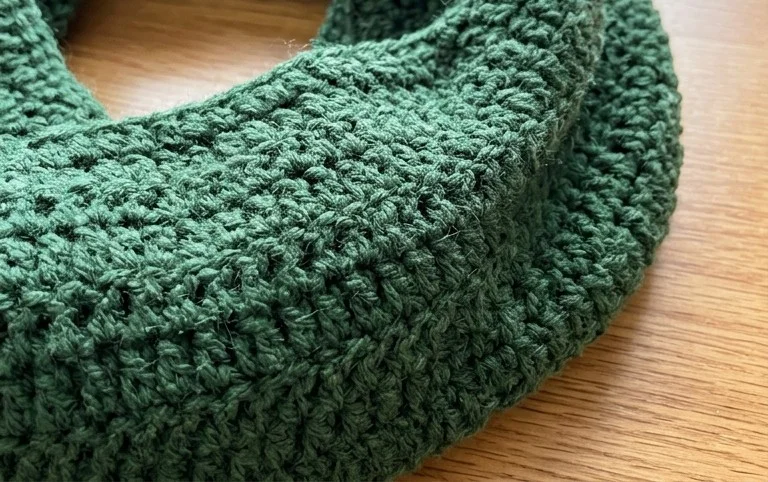
Your new handmade accessory is ready to provide warmth throughout the season, showing off the clean lines of the stitches you worked so hard to keep even. Try using a variegated yarn to add a subtle color shift to the fabric or make a shorter version that sits closer to your neck for extra protection. I love seeing the photos you share of your finished work on social media platforms. Please take a look at the other free patterns on my blog for your next project.